
Between Beacons: Crafting a Coastal Odyssey

Today we dive into planning multi-day coastal itineraries centered on historic lighthouses, weaving practical routing with stories, sea air, and unrushed horizons. Expect tools, timing, and tender respect for these beacons, plus ideas for meals, lodging, photography, and safety that link each day into a memorable, resilient journey.

Chart the Shoreline Without Rushing the Light

Begin by drawing a coastline that breathes, letting distances, tide windows, ferry crossings, and daylight shape your pace. Choose anchor lighthouses, cluster nearby stops, and plant restorative layovers. Build slack into your schedule so weather, serendipitous conversations, and low tides for beach approaches become features, not disruptions, elevating every day with intention and room to wonder.

01

Maps, Apps, and Paper Charts in Harmony

Blend NOAA or Admiralty charts with offline maps and local harbor brochures, marking safe pullouts and scenic overlooks. Export GPX routes, save tide tables, and annotate sunrise angles. If paper comforts you, laminate segments. Share your favorite planning app or mapping ritual in the comments to help fellow travelers refine their routes.

02

Pacing Legs and Layovers for Coastal Reality

Resist cramming ten beacons into a single day. Coastal roads narrow, viewpoints tempt stops, and boat schedules slip. Plan two to four major visits, then designate a generous layover at clusters. Align dawn and dusk with the most photogenic structures, letting gentle buffers turn surprises into delights rather than detours.

03

Weather Windows and Seasonal Character

Seasonality transforms the experience. Spring offers migrating birds and capricious squalls; summer grants long evenings and crowds; autumn brings clear air and calmer highways; winter rewards hardy souls. Watch swell forecasts and fog probabilities, shaping contingency routes. Subscribe for future coastal timing checklists and share local seasonal wisdom in replies.

Listening to the Stories Behind the Lantern Rooms

Every tower carries lived experience: keepers braving storms, families sharing cramped quarters, shipwrecks avoided by inches, and communities raised by maritime trade. When you plan, plan to listen. Museums, plaques, and docents add texture, turning a string of vistas into relationships, gratitude, and stewardship that guide your decisions and pace.

Logistics That Keep the Coastline Comfortable

{{SECTION_SUBTITLE}}

Sleeping by the Sea: Inns, Cottages, and Campgrounds
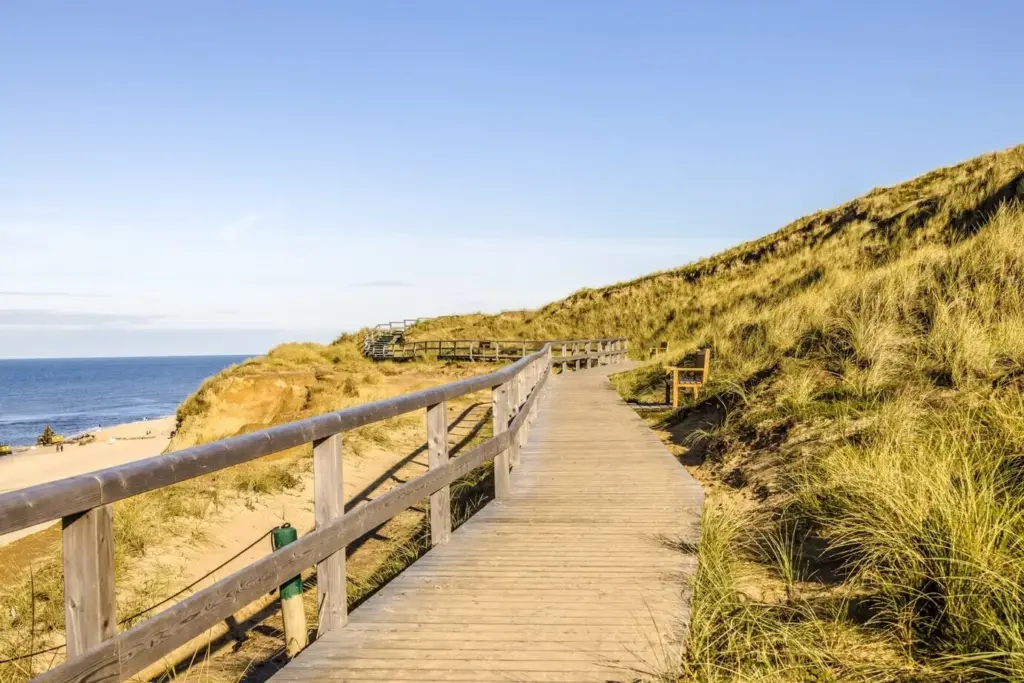
Reserve early near popular lights, especially converted keeper quarters. Consider midweek stays, shoulder seasons, and properties with drying racks, boot trays, or blackout curtains for sunrise starts. If camping, confirm wind exposure and fog drip. Share favorite inns or campgrounds to build a reader-powered lodging map.

Access Rules, Hours, and Responsible Footsteps

Some sites restrict climbs, require guided tours, or close during maintenance or nesting. Study official pages, call ahead, and carry small bills for donation boxes. Stay on marked paths, avoid fragile grasses, and obey fence lines. Respect earns trust, opening conversations that enrich later visits along the route.

Tastes, Festivals, and Conversations Along the Way

Food and festivities anchor memory. Plan markets, waterside shacks, and keeper-led events into your route, supporting towns that have tended mariners for centuries. Slow meals become story exchanges; festivals unlock restricted towers; casual chats reveal shortcuts, hazards, and sunrise angles you never would have noticed alone.

Capturing Light: Photography, Sketching, and Sound

Light behaves like a living character. Plan vantage points for sun paths, fog banks, and swell reflections. Consider microphones and sketchbooks alongside cameras. Seek photographs that serve memory and conservation, not fences or fragile ledges, transforming artistic goals into patient practices shaped by tide and time.

Safety, Resilience, and Respect at the Water’s Edge

Ocean edges demand humility. Strong planning paired with flexible backups keeps joy high when forecasts shift. Build check-in habits, teach everyone to read tide charts, and model respect for posted warnings. The trip remains adventurous, not reckless, when caution is woven seamlessly into each day.

Tides, Cliffs, and Unexpected Swell

Even calm days hide surprises. Study cliff setbacks, sneaker waves, and crumbling stairs. Carry microspikes if winter ice threatens. Time beach traverses for low water, and identify multiple exit points. Encourage readers to share local hazard quirks, helping future visitors approach with awareness instead of avoidable fear.

Fog Horns, Forecasts, and Plan B

Fog changes navigation and mood. Learn horn patterns, monitor marine forecasts, and track visibility on nearby webcams. Design rainy-day alternatives like archives, boat museums, or bakery writing sessions. Collect and publish your own lessons learned afterward so others can plan smarter, braver, and kinder shoreline adventures.

Pixifavazutinapali
Privacy Overview

This website uses cookies so that we can provide you with the best user experience possible. Cookie information is stored in your browser and performs functions such as recognising you when you return to our website and helping our team to understand which sections of the website you find most interesting and useful.