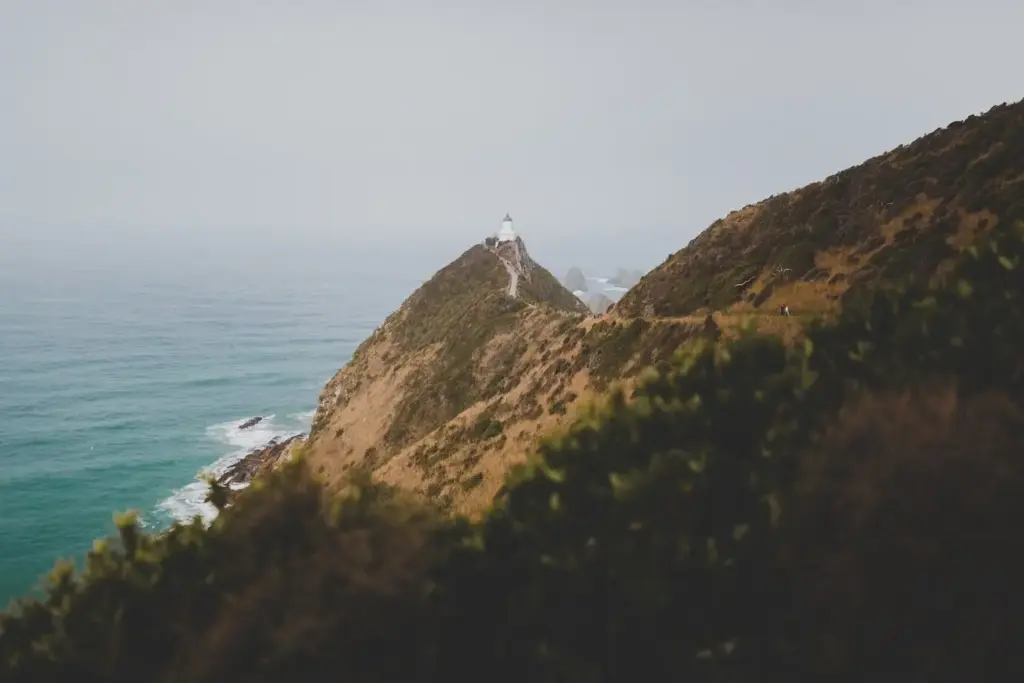
Chasing First Light and Last Glow by the Lighthouse
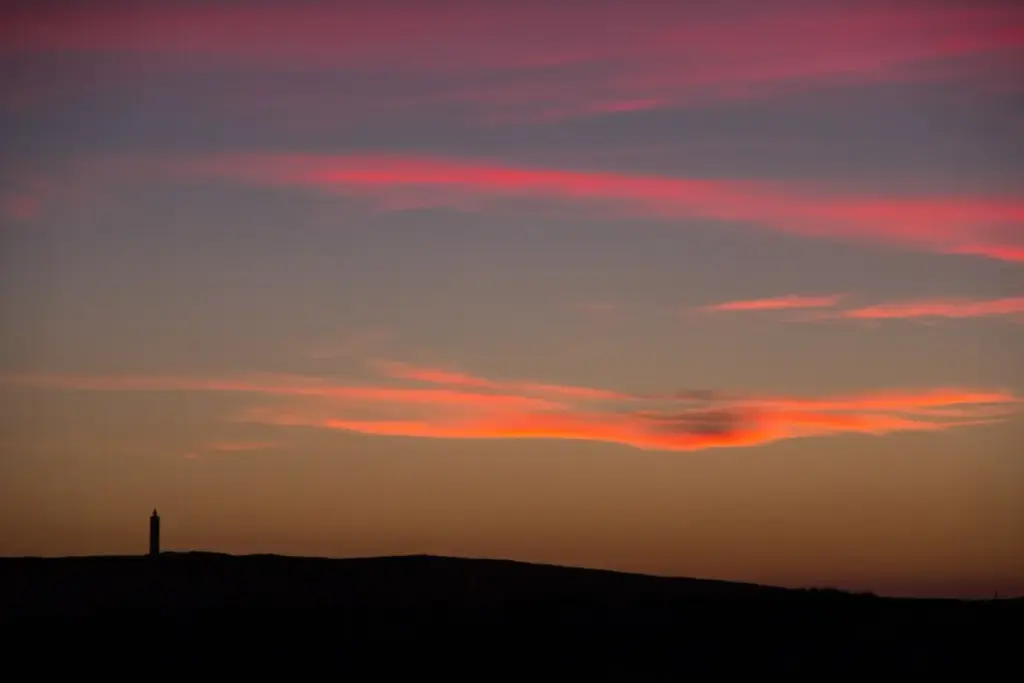
Today we dive into photographing sunrise and sunset at seaside lighthouses, where shifting tides, salt-laced winds, and color-drenched skies challenge and reward patient eyes. Expect practical timing tactics, composition insights, and field-tested tricks. Share your questions, favorite beacons, and coastal stories—we’ll build a community of early risers and twilight wanderers together.

Golden and Blue Hour Windows

Golden hour near the sea starts earlier than your instincts guess because low clouds brighten before the sun breaks. Blue hour lasts longer when fog lingers, gifting gentle gradients. Track civil, nautical, and astronomical twilight, but remain flexible; a gull’s sudden arc or a lighthouse keeper’s lamp can shift your framing in an instant.

Tides and Swell Forecasting

Low tide might reveal mirror-slick tidal pools perfect for reflections, while a mid-rising tide sculpts leading lines of foam that streak toward the beacon. Learn to read swell period, direction, and wind speed. Use reputable marine forecasts, then confirm conditions on-site. Safety beats bravado, and the next set is always bigger than it looks from the parking lot.

Weather, Clouds, and Microclimates

Headlands create sneaky weather pockets where fog thins and reforms in minutes. High clouds catch peach tones before sunrise; broken cumulus explode with drama at sunset. Pack a lens cloth for salt spray and expect inaccurate inland forecasts. The horizon’s color band reveals truth: warm tint intensifies before the grand moment. Patience amplifies every frame.

Foregrounds: Pools, Rocks, and Reflections

Seek still water between rocks to double the beacon without a mirror filter. Wet granite glows at low angles, adding specular sparkle that points to the light. Shift a step to avoid tangencies with the lantern room. Kneel, lean, and experiment; a shell’s curve or kelp ribbon can transform an ordinary frame into a coastal memory keeper.

Silhouettes and Human Scale

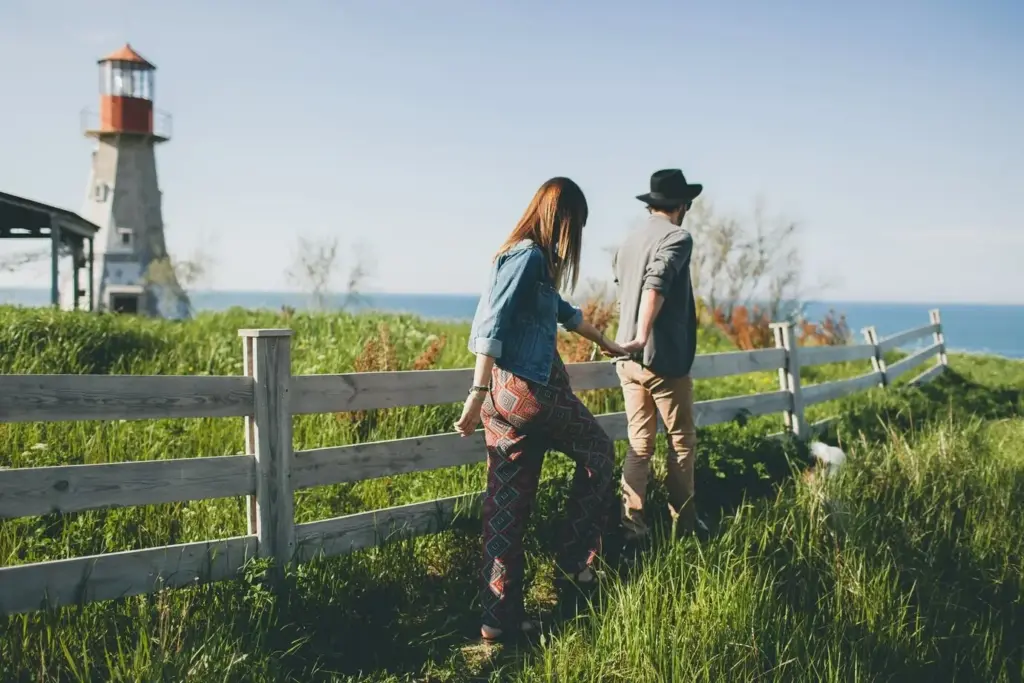
Backlit towers at sunrise create clean graphic silhouettes if you position the light source precisely. Include a person, tripod, or passing runner to translate size into emotion. Keep edges clean—no head merging with railings. Encourage your companion to pause naturally, then capture a breath, a look, a wind-tugged jacket that anchors the story without stealing attention.

Leading Lines: Piers, Fences, and Surf Streaks

Use the receding foam trails as living brushstrokes, drawing the eye toward the lantern. Piers and boardwalks can frame diagonals, but watch for repetitive slats that cause visual buzz. Step left or right until lines converge gracefully with the tower. Remember, a few inches of camera movement can untangle chaos and guide viewers unerringly to that steady light.

Gear That Survives Salt, Wind, and Darkness

Salt air sneaks into buttons and bearings, so field-ready gear matters. Stable tripods, weather sealing, and reliable filters protect your focus when gusts bite. Bring a headlamp, but shield beams near the lens. Pack microfiber, spare batteries, and a dry bag. After each session, rinse tripod legs with fresh water and wipe down gear to prolong trustworthiness.

01

Tripods, Spikes, and Rock Stability

Extend thick leg sections first and press spikes into crevices for grip. Hang a bag only if it won’t swing in gusts. Spread legs wide on sloping stone and avoid tidal channels. A low stance reduces vibration, and a remote release prevents micro-blur. Practice setup in daylight so darkness feels familiar when colors finally bloom like embers.

02

Lenses and Filters for Coastal Light

A wide-angle lens captures foreground drama and sky sweep, while a short telephoto compresses the beacon against glowing clouds. Carry a circular polarizer to tame glare on wet rock, but rotate gently to avoid uneven skies. Graduated neutral density filters help balance horizons, and a subtle five-stop ND enables silky surf without losing crisp lighthouse details.

03

Power, Protection, and Backups

Cold sea breezes drain batteries early, so carry extras warm in an inner pocket. Use rain covers or a simple shower cap during spray bursts. Keep microfiber cloths accessible, swapping when saturated with salt. Back up cards to a phone or drive after the shoot. Redundancy feels boring until a perfect sunstar demands everything works flawlessly.

Exposure and Color: Taming Contrast at the Edge of Day

Sunrise and sunset at the coast stretch dynamic range beyond a single exposure. Embrace bracketing, expose to the right without clipping, and read the histogram, not the screen. Control flare, shape sunstars, and choose white balance intentionally. Subtle color casts evoke truth; heavy saturation can betray wind, temperature, and texture. Let atmosphere breathe through careful restraint.

Bracketing and Blending with Intention

Use two to five frames at one- or two-stop intervals, ensuring the darkest shot protects highlights around the sun and lantern glass. Keep the tripod rock-solid to simplify alignment. Blend naturally, honoring believable shadows. When waves move between frames, mask with care or time a bracket series during a calmer set. Realism survives when transitions feel effortless.

Flare Control, Sunstars, and Apertures

Shield the lens with your hand or a cap just outside the frame to reduce flare, then remove for a clean exposure. For crisp sunstars, stop down moderately and test where your lens sparkles best. Shift slightly to hide the sun behind railings for dramatic rays. Embrace a few honest artifacts; they can whisper about salt, wind, and brightness.
Tide Tables, Access, and Exit Strategy

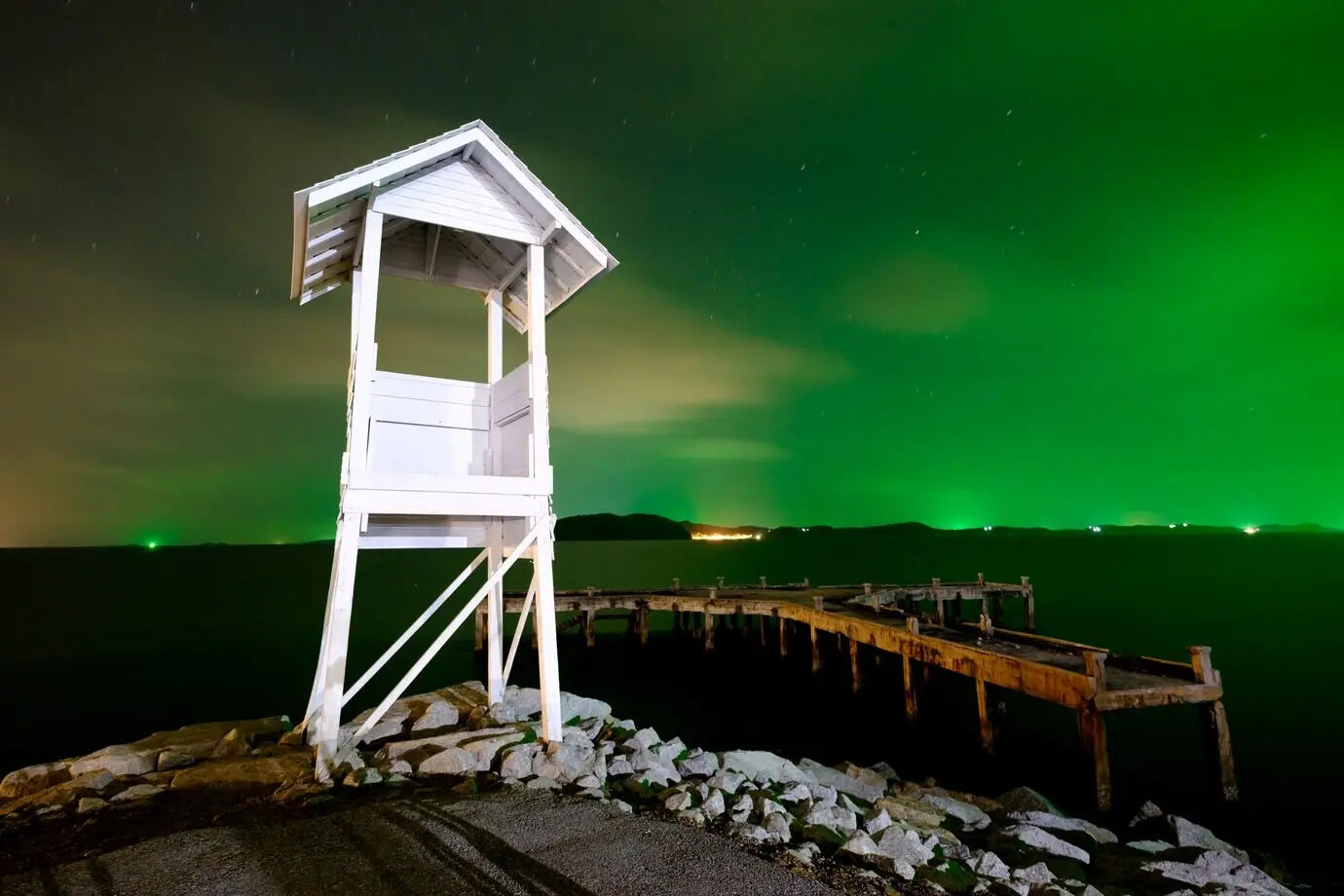
Study entry points in daylight, trace your retreat path, and note cut-off coves that flood quickly. Screenshot charts in case reception fades. Tell someone your plan and time window. When the water rises faster than expected, abandon the shot. The ocean is generous with beauty, yet utterly indifferent to schedules, alarms, and the photographer’s best intentions.

Wildlife, Residents, and Keeper Courtesy

Give seabirds space, avoid trampling vegetation, and step lightly around tide pools where tiny worlds thrive. Aim headlamps downward near homes, keep noise low, and never block access roads. If a keeper approaches, listen first; their stories carry local weather wisdom. Gratitude opens doors, and sometimes an invitation leads to a vantage you never imagined.

Working with Fog Horns and Safety Lights

Fog horns unsettle concentration but also signal visibility limits. Ear protection helps during long waits. Safety lights can pulse unexpectedly, affecting exposure timing; embrace their rhythm and time your frames between bursts. Reflective tape on your gear aids retrieval if it slips. Calm decisions arise when you already planned for noise, darkness, and surprise illumination.

Fieldcraft, Safety, and Respect for Place

Coastal beauty demands humility. Slippery algae, rogue waves, and shifting rocks punish distraction. Research access rules, read posted signs, and respect working beacons and residents. Keep distance from nesting birds and tide pools. Pack layers, a small first-aid kit, and a whistle. No photograph outweighs a safe return, nor the dignity of the people who live nearby.

Editing Workflow That Preserves Mood and Truth
Post-processing should honor the hush before sunrise and the gentle roar at dusk. Start with a clean RAW base, then guide the eye deliberately with contrast, color, and local adjustments. Lift detail in wet rocks without plastic shine, protect sky gradients, and avoid halos. Share your approach openly; thoughtful feedback from peers sharpens craft and confidence together.

RAW Development for Subtle Gradients

Expose to maintain highlight integrity, then pull detail cautiously from shadows. Protect the pink-to-blue transition near the horizon by minimizing heavy clarity and aggressive dehaze. Use selective masks for sea foam and tower edges. If colors drift, revisit white balance before curves. Preserve a touch of darkness; it holds the cool breath you felt on location.

Dodging, Burning, and Color Grading

Shape attention gently with small brush strokes, brightening pathways in surf streaks and dimming distractions along the frame edges. Separate color channels to tame cyan casts in mist without bleaching warmth from the lantern. Add depth through subtle contrast rather than saturation. Ask viewers what emotion they feel; refine until their words match your memory.
Pixifavazutinapali
Privacy Overview

This website uses cookies so that we can provide you with the best user experience possible. Cookie information is stored in your browser and performs functions such as recognising you when you return to our website and helping our team to understand which sections of the website you find most interesting and useful.