
Gentle Coastal Adventures to Iconic Beacons


Mapping Easy Routes From Station to Shore
Before you go, check whether the station has elevators, tactile paving, or step-free exits leading to bus transfers headed toward the lighthouse path. Many coastal agencies publish accessibility notes within route planners, including curb heights, ramp locations, and crossing times. Save offline maps, mark restroom icons, and screenshot schedule highlights. Having two viable return options keeps the day relaxed if little explorers tire or tides nudge you to adjust plans.
Timing Around Weather, Tides, and Nap Windows
Mornings often bring calmer trails, brighter wayfinding, and cooler temperatures that suit strollers and mobility aids. Consult tide tables because beaches or causeways can narrow unexpectedly, changing the easiest line of travel. If someone in your group naps, set your lighthouse walk for that gentle lull or plan a sheltered bench break. Build buffer minutes for snack stops, sunscreen reapplications, and those irresistible moments when children want to marvel at shells or seabirds.
Packing Smart for Comfort and Flexibility
Pack lightweight layers, a windproof outer shell, and a compact blanket that doubles as a warm wrap or shaded seat. Include a small first-aid kit, spare socks, and an extra charging bank for phones navigating schedules. Bring refillable water bottles and collapsible cups to minimize plastic use, and consider a simple sensory kit—noise-reducing headphones or a favorite fidget—for sensitive travelers. A tiny notebook encourages kids to sketch lighthouses, record gull sightings, and savor discoveries.
Accessibility Essentials Along the Coast


Reading Tide Tables and Choosing Safe Windows
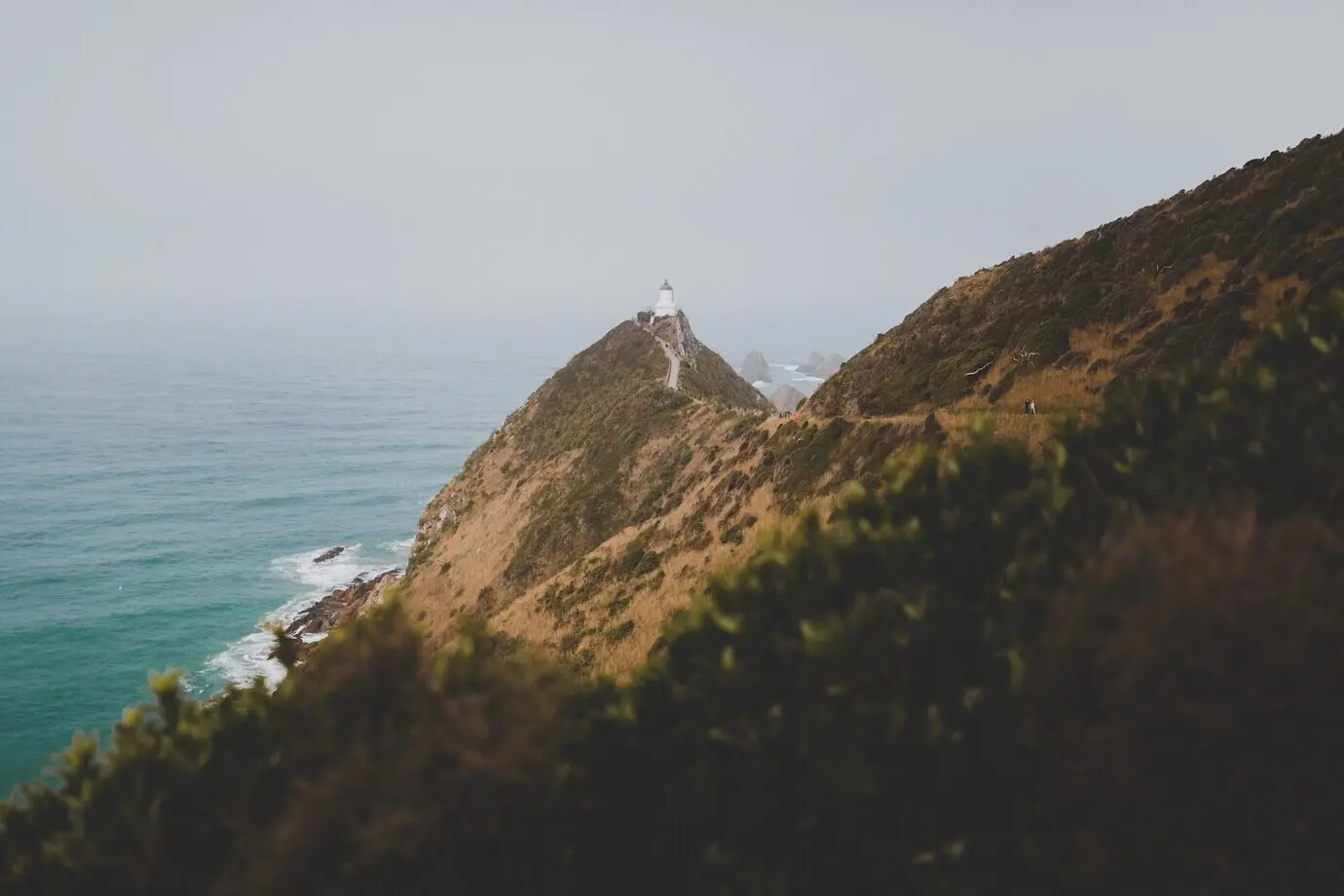
Cliff Edges, Railings, and Active Supervision

Sharing Trails With Dogs, Cyclists, and Groups
Keeping Curiosity Alive With Stories and Play
Story Sparks From Lantern Rooms and Fog Bells
Tell how prisms gathered faint flames into powerful beams, how keepers polished glass daily, and how families weathered storms together. Ask children to imagine a morning log entry after a wild night of rain. Encourage adults to recall maritime relatives or share favorite shore sounds. These small exchanges anchor the place emotionally, transforming a windy overlook into a personal harbor. Later, reread your notes at home and relive the salty brightness around the dinner table.
Mini Challenges That Turn Steps Into Discovery
Create low-pressure activities: spot three different textures beneath your feet, find a plaque with a date, imitate a gull’s call respectfully, or photograph a shadow shaped like a sail. For wheelchair users, reward smooth-surface scouting or best-viewpoint picks. Offer sticker badges for completed challenges and let children choose the next decision point. Layering playful goals keeps spirits high, motivates movement, and gives adults a constructive reason to pause, notice details, and savor coastal calm.
From Photos to Learning Moments and Keepsakes
Invite each person to capture one picture that represents safety, one that shows accessibility, and one that simply delights. Back home, print small postcards and write a few sentences about the experience. Share favorite shots with our community, noting transit routes that worked and benches you appreciated. Practical gratitude helps others plan confidently. Compile a simple lighthouse album, and watch motivation grow for the next gentle walk when the tide and schedules align.
Facilities, Food, and Comfort Without Guesswork
Restrooms, Changing Areas, and Quiet Spaces
Food Options, Picnics, and Warm Drinks by the Sea
Shelter, Shade, and Weather-Savvy Decisions
Sample Transit-Friendly Lighthouse Outings
Harbor Point Beacon: Morning Calm and Gentle Boardwalk
Arrive by train before crowds, use the elevator to street level, then catch the short bus to the waterfront loop. The boardwalk segment is smooth with frequent railings and two scenic turnouts. Restrooms sit beside the visitor kiosk; a bakery nearby serves warm rolls. Families with strollers can stop at the first overlook for a satisfying view if nap time looms. Capture a group photo with fishing boats behind you and the sturdy lantern ahead.
Cliffview Light: Midday Breezes and Broad Vistas
Take the ferry from downtown and enjoy the ride as part of the fun. At the terminal, accessible ramps lead to a paved path skirting low cliffs with protective barriers. Benches appear every few minutes, and interpretive signs summarize the light’s evolution. A small cafe offers soups and sandwiches with allergen notes. If gusts rise, choose the inland loop through pines for wind relief before returning. Finish at the overlook with binoculars and a celebratory snack.
All Rights Reserved.