
Trails Between Beacons: Wild Shores Await

Today we set our sights on coastal wildlife encounters along trails that link lighthouse landmarks, inviting you to step from beacon to beacon while meeting shorebirds, seal colonies, tidepool creatures, and resilient dune plants. Expect practical guidance, heartfelt stories, and ways to participate responsibly, whether you carry binoculars, a camera, or childlike curiosity. Share your sightings in the comments and subscribe for new routes and field prompts.

From Dawn Light to Beacon Glow

Coastal paths breathe differently at sunrise and sunset, when lighthouse beams fade into pastel skies and wildlife feels bolder near quiet footfalls. Learn how light, wind, and human activity shape sightings, and how patience reveals patterns: feeding flights, seal haul-out rhythms, and skittering sandpipers tracing the surf. We share a dawn walk memory and invite your observations to enrich this evolving shoreline conversation.

Tides, Currents, and Intertidal Wonders

Lighthouses were placed where water behaves dramatically; your encounters will, too. Understanding tides, currents, and exposed rock platforms multiplies safe, memorable sightings. Learn to check local tables, read swell forecasts, and time visits so pools sparkle with life while slippery zones remain passable. We stitch practical safety with wonder, ensuring every glance into a shimmering tidepool honors fragile, astonishing communities.

Respectful Encounters and Leave No Trace by the Sea

The most memorable sightings happen when animals feel unthreatened and habitats stay intact. Coastal trails concentrate footsteps for a reason: dunes anchor towns, nests hide in pale scrapes, and cliffs fracture under curiosity. Discover simple practices that protect lives while deepening your connection. We outline distances, seasonal closures, and gentle alternatives so your presence becomes part of coastal stewardship, not disturbance.

Breeding seasons deserve space

Spring and summer bring terns, plovers, and guillemots to vulnerable nesting areas roped off by local crews. Observe from outside marked zones, choose the firm wet-sand line, and bypass roosting groups with a calm, generous arc. Carry snacks and patience to discourage shortcuts. Each considerate decision shields eggs, reduces stress calls, and welcomes future generations to these windswept edges.

Trails through living dunes

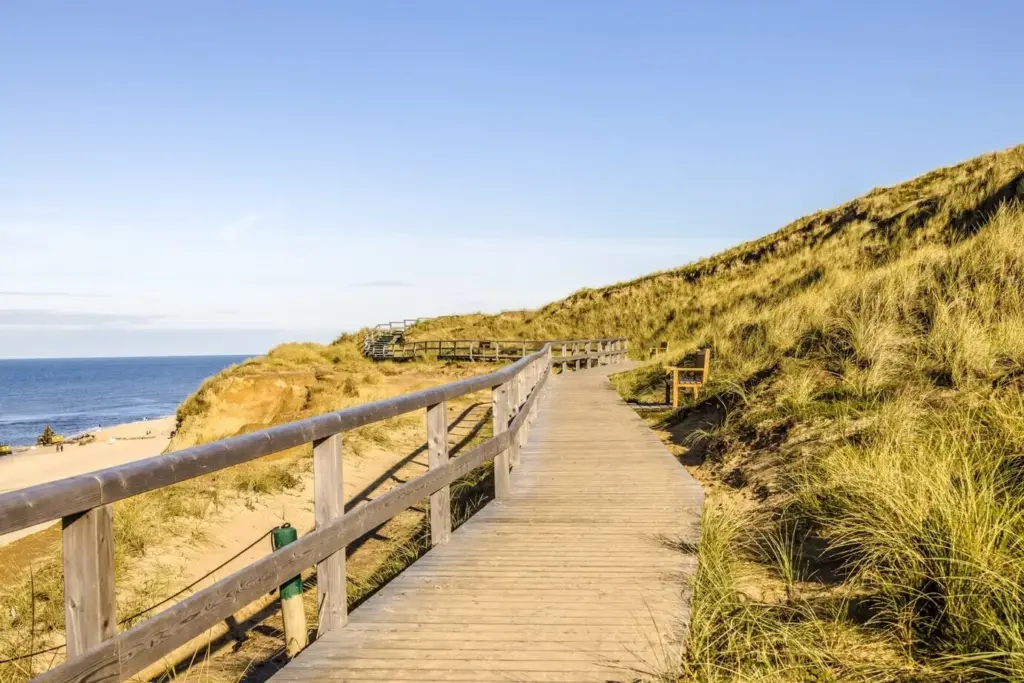
Beach grasses such as American beachgrass and marram stabilize entire shorelines, catching sand grain by grain. One stray shortcut can unravel months of growth. Follow boardwalks, respect restoration stakes, and teach companions why it matters. We recount a community’s effort that rebuilt a trampled access path, turning apology into action and proving small, repeated choices rescue landscapes.
Photography and Field Notes Without Disturbance
Images and observations shape how others treat the coast. With a few adjustments—longer lenses, softer steps, lower angles, and context-rich framing—you can celebrate wildlife without sending it fleeing. We’ll show how to capture beacon silhouettes, weather drama, and authentic behaviors, then turn notes into citizen science entries that help researchers map migrations, health trends, and seasonal arrival patterns.

Routes Between Beacons: Planning Memorable Walks

Linking lighthouse landmarks into a day’s wander turns scattered viewpoints into an unfolding story. We’ll help you chain trails using maps, ferries, and coastal buses, with contingency plans for fog or surf. Expect notes on parking, bathrooms, and respectful access through neighborhoods. Safety, spontaneity, and curiosity work together here, ensuring every step invites another, kinder look at the horizon.

Stories the Stones Remember

These towers have watched centuries of migrations, storms, and narrow escapes. Human footsteps echo alongside wingbeats and surf, weaving cautionary tales with unlikely friendships. We revisit journals, plaques, and oral histories that reveal how keepers, fishers, and volunteers met wildlife with humility, mistakes, and care. Their lessons nudge us toward gentler habits and welcome your stories to continue the lineage.

A keeper’s lantern and a storm petrel

In a brittle entry from a northern point, a keeper described shielding a storm petrel from a gale in his coat until winds calmed. Today we’d dim lights and keep distance, yet the impulse to help remains. Let compassion pair with knowledge, guiding interventions through trained responders and leaving wild hearts free whenever possible.

Rescue at low-water ledge

On a gray October noon, hikers spotted monofilament around a young seal near a basalt shelf below the path. They dialed the hotline, waited upwind, and marked the spot for responders. No selfies, no heroics, just coordination. The animal survived, and the story now travels these trails as proof that calm choices matter.

Echoes of migration

Each autumn, whales trace offshore routes visible from certain capes, while hawks funnel past headlands on crisp tailwinds. Logbooks note earlier arrivals in recent decades, hinting at warming seas. Bring your binoculars, your questions, and your comparisons. Share what you observe in comments or field reports, and help ground climate stories in patient, local evidence.
Pixifavazutinapali
Privacy Overview

This website uses cookies so that we can provide you with the best user experience possible. Cookie information is stored in your browser and performs functions such as recognising you when you return to our website and helping our team to understand which sections of the website you find most interesting and useful.