
Clifftop Beacons: Walking Through Lighthouse Heritage and Architecture

Step onto cliffside walking routes where lighthouse heritage and architecture unfold with every turn in the path. We journey along windswept escarpments to study resilient towers, ingenious optics, and the people who kept them shining. Today’s exploration celebrates lighthouse heritage and architecture along cliffside walking routes, inviting you to breathe salt air, read the rocks, and feel history underfoot while discovering safe viewpoints, meaningful stories, and design details that still guide mariners and inspire walkers.

Origins Carved in Rock

Before GPS, coastal safety depended on conspicuous signals, and cliffs offered platforms for light long before electricity. Here we trace centuries of innovation, from coal braziers to gleaming lenses, and how headlands shaped tower forms, height calculations, and landfall strategies that saved crews, cargoes, and communities through fog, gale, and darkness.

Anatomy of a Cliffside Lighthouse

Form follows hard realities: bedrock anchorage, wind loading, and visibility corridors above sea mists. This section examines tapered shafts, galleries, lantern rooms, and service yards, linking architectural choices to geology and human labor. Walkers see not only silhouettes but also joints, vents, gutters, and weathered thresholds engineered for centuries of storms.

Stone, Iron, and Reinforced Concrete

Many cliff towers began in hewn granite, expanded with cast-iron stairs, then modernized using reinforced concrete collars and helixes. Each material answers a different stress: compression, torsion, and salt corrosion. Trace seams in the masonry, touch iron balusters, and notice how concrete buttresses discreetly stiffen windward faces without stealing grace.

Lantern Rooms and Optics

A lantern room’s delicate glazing survives tempests thanks to astragals, ventilators, and lightning bonds. Inside, Fresnel lenses—first to sixth order—shape beams for range and elevation. Peer from a respectful distance and imagine prisms, mercury float bearings, and clockwork keepers once wound, mapping arcs across shipping lanes like luminous handwriting.

Walking Routes That Keep You Near the Light

Choosing Paths with Purpose

Use maps layered with contours and maritime charts to anticipate where towers gain elevation over sea spray. Mix well-marked national trails with quieter fishermen’s paths, always respecting closures and signage. Build itineraries that balance geology, history, and stamina so meaningful pauses frame each lighthouse and the coast remains welcoming.

Safety, Tides, and Weather Windows

Cliffs magnify weather. Check swell height, wind direction, and tide tables before setting off, and carry layers plus headlamps. Avoid cornices, unstable edges, and rogue waves below. If conditions shift, shorten the loop, share your plan, and let your curiosity wait for a clearer, kinder window from nature.

Leave No Trace on Fragile Cliffs

Salt-tolerant plants stitch soil together, yet one shortcut can tear a decade of growth. Stay on established paths, pack out litter, and step around wet ledges to prevent erosion. Your care ensures future walkers experience these lighthouses amid living ecosystems, not trampled slopes and broken fence lines.

Battling the Sea, One Repair at a Time

Engineers study rock bedding planes, install stainless anchors, and ventilate damp interiors so salts do not crystallize behind paint. Drone surveys guide masons to hairline cracks along cornices. As you pass scaffolds or tarps, remember these careful interventions defend history without overshadowing graceful silhouettes or interrupting nesting seasons.

Adaptive Reuse that Honors the Signal

Automated sites often become hostels, museums, or artist residencies. The best conversions protect lantern rooms, preserve original stairs, and tell working stories rather than polishing only romance. When you book a stay or ticket, you keep caretakers funded and the wider coast connected through education, access, and authentic stewardship.

Volunteers, Grants, and Community Pride

Local groups paint railings, weed steps, and catalog lens parts, applying for grants that stretch every brushstroke. Join a work day, donate photos, or share oral histories from families who served. Collective care multiplies impact, giving cliffs safer paths and lighthouses stronger voices in regional planning conversations.

Stories of Keepers and Coastal Communities

Lighthouses condensed human resilience into daily routines: trimming wicks, hauling fuel, recording visibility, comforting children through storms. Villages traded fish for fresh water or news, and paths linked hearths to headlands. As you walk, listen for local accents, memorial plaques, and the gentle pride that still carries across gull cries.

Night Watches and Family Routines

Imagine waking every few hours to wind checks, lamp tending, and log entries while the headland shakes under winter swells. Children learned to read clouds, mothers ran stores, and visitors brought letters. These rhythms, steady and precise, anchored communities before automation changed work, identity, and shoreline quiet.

Rescues, Wrecks, and Quiet Bravery

Some paths overlook lifeboat slips and memorials to crews lost on hidden reefs. Keepers signaled with flags, rockets, or telephones, guiding rescues in brutal weather. Pause where cliffs narrow, leave stones in remembrance, and share your reflections to keep courage remembered publicly, not only in family albums.

Local Food, Music, and Shared Memory

Reward the walk with chowder huts, seaweed bread, or smoky kippers, then ask for songs tied to storms and safe returns. When communities feel seen, stories surface. Comment on our newsletter, add your route notes, and help sustain a culture that nourishes both walkers and working coastlines.
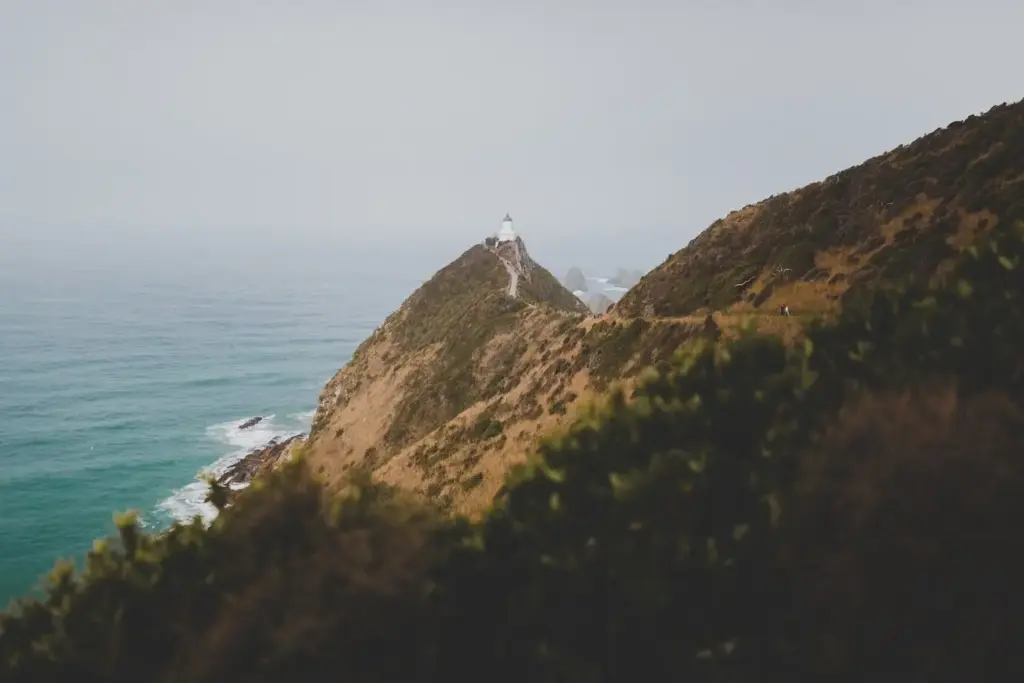
Seeing the Light: Photography and Sketching on the Path

Wind and spray challenge cameras and sketchbooks, yet rewards are spectacular. Use weather apps to chase breaks in cloud, protect gear with simple sleeves, and work quickly between gusts. Composition thrives on leading lines: fences, steps, and horizons that pull viewers toward the lantern and your personal story.
Pixifavazutinapali
Privacy Overview

This website uses cookies so that we can provide you with the best user experience possible. Cookie information is stored in your browser and performs functions such as recognising you when you return to our website and helping our team to understand which sections of the website you find most interesting and useful.